Operators in Python (or Skilled Workers).
How operators are Skilled Workers ??
Think of Python as a factory, and operators as the workers or machines that transform raw data(numbers and variables) into meaningful output.
Let Start this journey by knowing each category of workers and what they do .
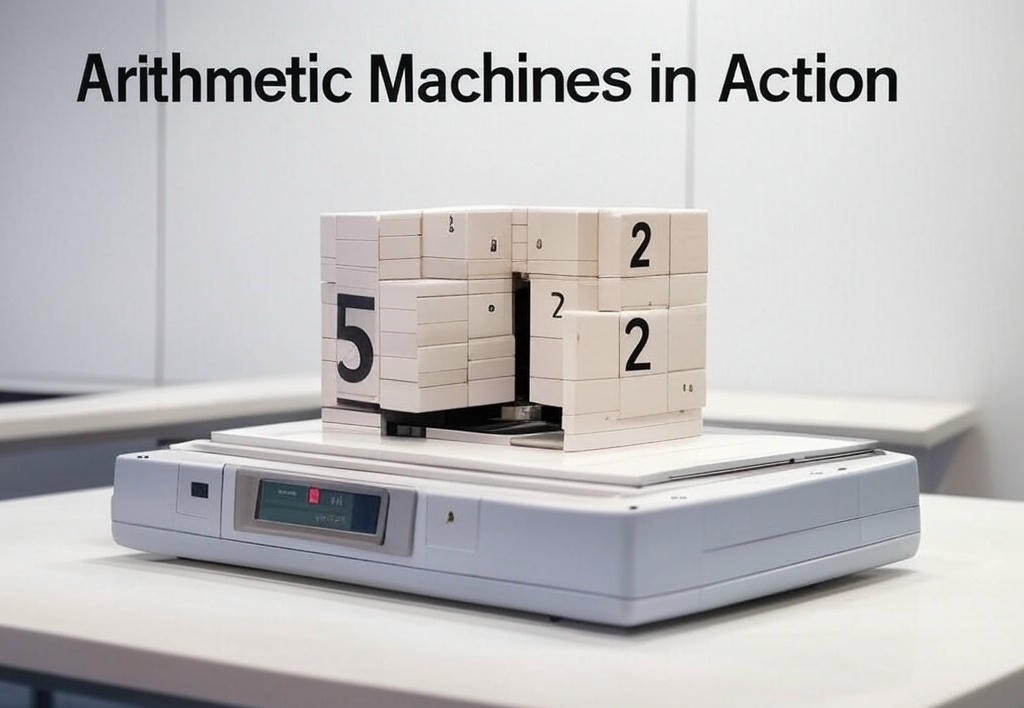
1.Arithmetic Operators = Basic Machinery
In our factory , arithmetic operators are like core machines doing cutting, assembling, multiplying, etc.
For examples :-
| Operator | Meaning | Example | Result |
+ | Add | 5 + 2 | 7 |
- | Subtract | 5 - 2 | 3 |
* | Multiply | 5 * 2 | 10 |
/ | Divide | 5 / 2 | 2.5 |
// | Floor Divide | 5 // 2 | 2 |
% | Modulus | 5 % 2 | 1 |
** | Power | 5 ** 2 | 25 |
2.Comparison Operators = Quality Check Department.
These workers compare two products and give a True or False verdict. They decide if things are equal, greater or different.
For examples :-
| Operator | Example | Result |
| \== | 5 == 5 | True |
| != | 5 != 4 | True |
| \> | 5 > 3 | True |
| < | 5 < 3 | False |
| \>= | 5 >= 5 | True |
| <= | 5 <= 3 | False |

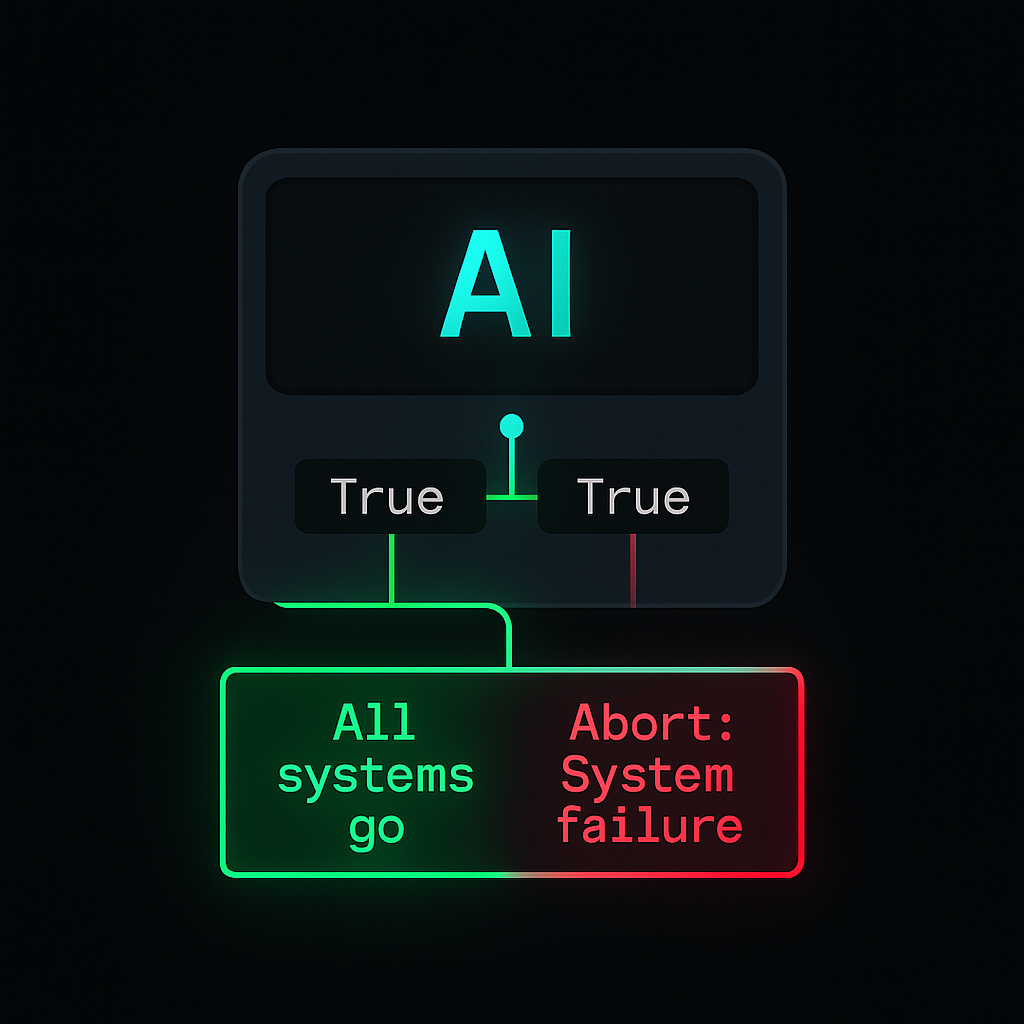
3.Logical Operator = The AI Brain of the Factory
These Operators(workers) make decisions based on the multiple conditions. Think of them as the central brain of the factory deciding if production should continue.
| Operator | Description | Example | Result |
| and | Both conditions true | True or False | False |
| or | At least one is true | True or False | True |
| not | Reverses the condition | Not true | False |
4.Assignment operator = Storage and Update Team.
These workers assign values and also update them efficiently. They handle storage and tagging of your variables.
| Operator | Meaning | Example | Equivalent To |
| \= | Assign value | x = 5 | — |
| += | Add and assign | x += 3 | x = x + 3 |
| -= | Subtract & assign | x -= 2 | x = x - 2 |
| *= | Multiply & assign | x *= 2 | x = x * 2 |
5.Bitwise Operators = The Micro-Engineers
They work on the binary level, flipping switches and moving bits left and right — Think engineers working deep in the control room.
| Operator | Example | Result |
& | 5 & 3 | 1 |
| ` | ` | `5 |
^ | 5 ^ 3 | 6 |
~ | ~5 | -6 |
<< | 5 << 1 | 10 |
>> | 5 >> 1 | 2 |

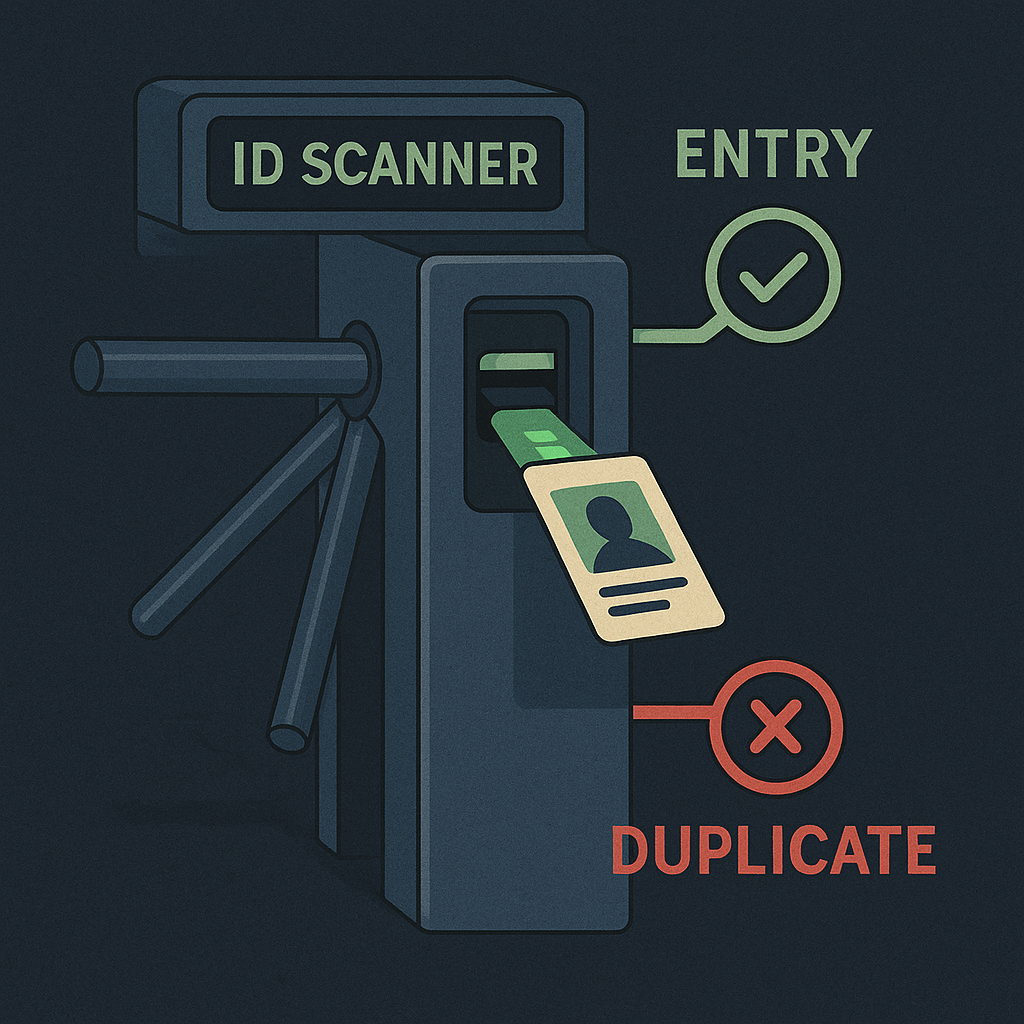
6.Membership & Identity Operators = Security Guards.
They guard the entry and verify identity.
→ in , not in : Check if a variable is inside a collection.
→ is , not is : Check if two variables point to the same object in memory.
Example :-
x = [1, 2, 3]
print(2 in x)       # True
print(x is x)       # True